Starting a workout routine does not require a gym membership, expensive equipment, or hours of free time. For many beginners, a small amount of open space and a few simple movements are enough to build a practical exercise habit.
Workout Impact
Calculate your daily calorie balance instantly.
🔥 Amazing Effort!
The best home workout activities for beginners are usually exercises that are easy to learn, require little or no equipment, and can be adjusted according to your current fitness level. Walking around the house, marching in place, squats, wall push-ups, glute bridges, step-ups, and modified planks can all become part of a beginner-friendly routine.

No-Equipment Home Workout – Best Bodyweight Exercises for Strength & Fitness
You don’t need a gym membership, expensive machines, or a…
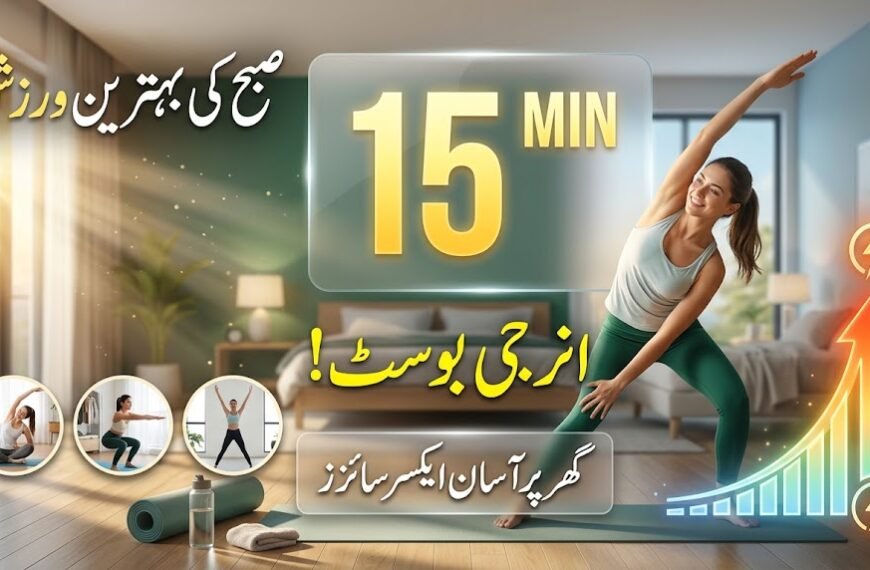
Morning Workout at Home – 15-Minute Exercises to Boost Energy & Fitness
Starting the morning with a short workout can be an…
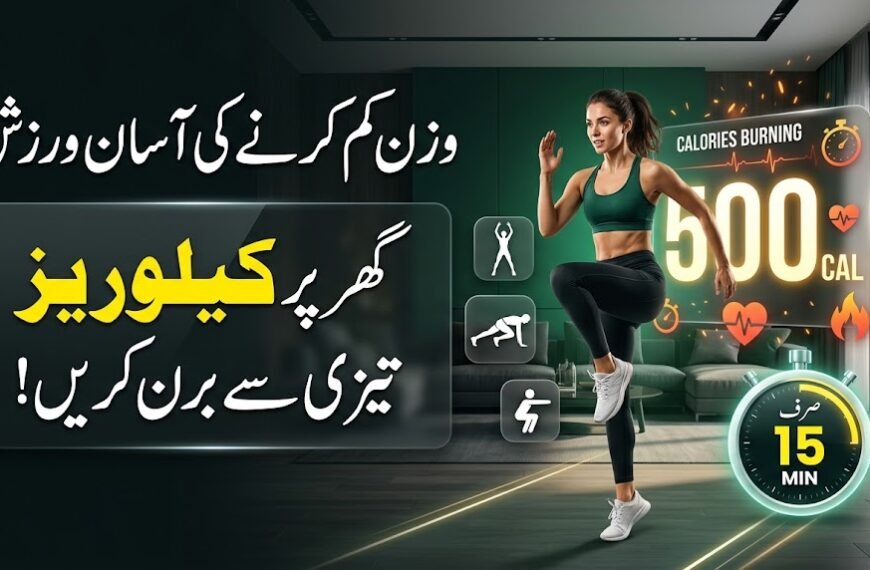
Home Workout for Weight Loss – Easy Exercises to Burn Calories Fast
Losing weight does not necessarily require a gym membership or…
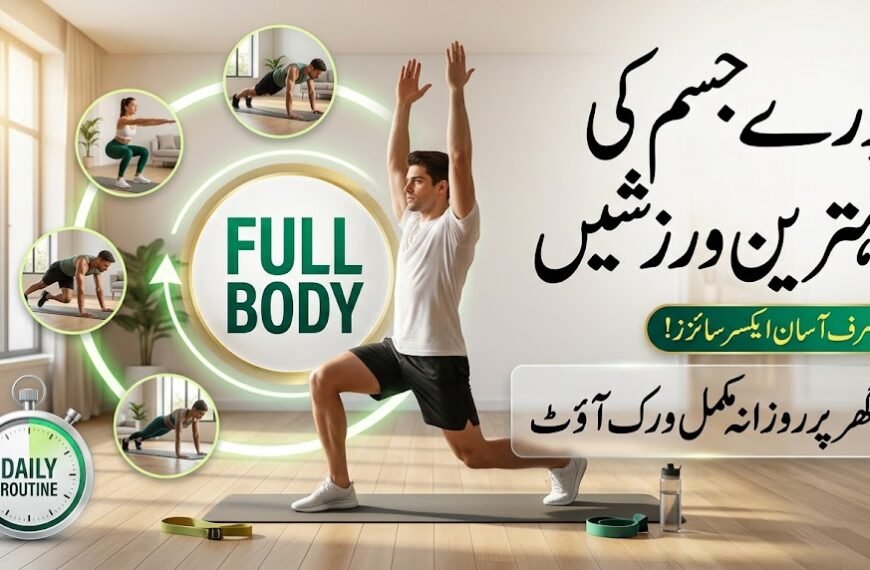
Best Full-Body Exercises at Home – Simple Workout Routine for Every Day
Staying active does not always require a gym membership or…
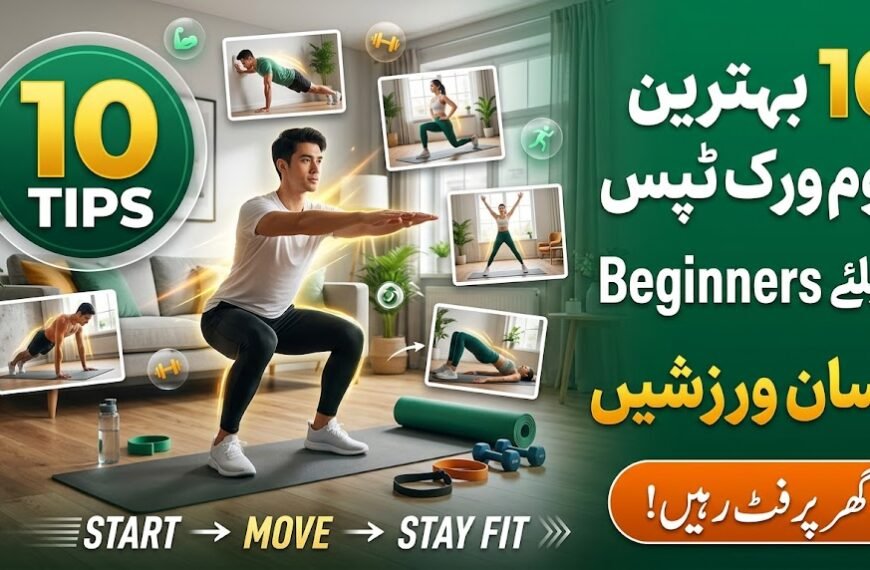
10 Best Home Workout Tips for Beginners – Easy Exercises to Stay Fit
Starting a fitness routine does not always require a gym…
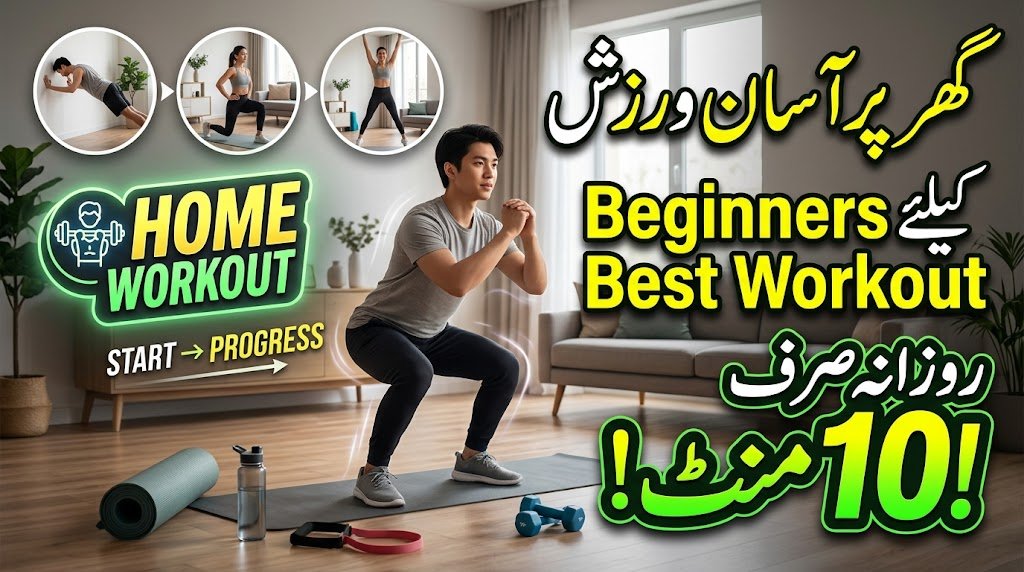
The most important goal at the beginning is not to exercise as hard as possible. It is to move consistently, learn proper technique, and gradually increase the challenge.
Quick Answer: What Are the Best Home Exercises for Beginners?
If you are completely new to exercise, start with these simple movements:
- Marching in place
- Bodyweight squats
- Wall push-ups
- Glute bridges
- Step-ups
- Standing side leg raises
- Bird-dog
- Modified plank
- Low-impact jumping jacks
- Gentle stretching
You do not need to perform all ten exercises during your first session. Choose a few movements that feel manageable and build your routine gradually.
For general health, current CDC guidance recommends that adults work toward at least 150 minutes of moderate-intensity aerobic activity each week, along with muscle-strengthening activities on at least two days. Physical activity can also be divided into smaller periods throughout the week.
Why Start Exercising at Home?
Home workouts remove several common barriers that stop people from becoming active.
You can exercise without traveling to a gym, waiting for equipment, or following an advanced program designed for experienced athletes. A beginner can simply choose a few movements and practice them regularly.
Another advantage is flexibility. A workout can be short when you are busy and longer when you have more time.
Even small amounts of physical activity are worthwhile. The CDC notes that some activity is better than none, and physical activity can be accumulated in smaller portions rather than completed in one long session.
Benefits of a beginner home workout include:
- Convenient exercise without a gym
- Minimal or no equipment
- Easy scheduling
- Opportunity to improve basic strength
- Better movement and physical fitness
- A practical way to reduce sedentary time
- An accessible starting point for people who are new to exercise
The key is to choose activities that you can perform safely and continue doing consistently.
10 Easy Exercises to Do at Home for Beginners
1. Marching in Place
Marching is one of the simplest ways to begin moving.
Stand upright, lift one knee at a time, and swing your arms naturally. Keep the movement controlled rather than trying to go as fast as possible.
How to do it
- Stand with your feet about hip-width apart.
- Lift one foot and then the other.
- Move your arms naturally.
- Keep your posture comfortable.
- Continue for 30–60 seconds.
If you have been inactive, begin with a short period and take a break when necessary.
Beginner tip: Increase the pace gradually rather than starting with high knees.
2. Bodyweight Squats
Squats train several muscles in the lower body and are a useful foundational movement.
A beginner can also use a sturdy chair as a reference point. The goal is to learn controlled movement rather than immediately trying to squat deeply.
Basic technique
- Stand with your feet in a comfortable position.
- Keep your chest lifted.
- Bend your knees and move your hips backward.
- Lower yourself only as far as comfortable.
- Push through your feet to return to standing.
Start with 8–12 controlled repetitions if that range feels appropriate for you. CDC guidance notes that 8–12 repetitions can be used as a set for muscle-strengthening activities.
3. Wall Push-Ups
Traditional floor push-ups can be challenging for someone who is just starting. Wall push-ups provide an easier variation.
Stand facing a wall, place your hands against it, bend your elbows, and bring your chest toward the wall. Then push yourself back.
Why this variation works well for beginners
You control the difficulty by changing your distance from the wall. Standing closer generally makes the movement easier, while moving farther away increases the challenge.
Keep your body aligned and avoid rushing through repetitions.
4. Glute Bridges
Glute bridges are performed on the floor and target the muscles around the hips and lower body.
Steps
- Lie on your back.
- Bend your knees.
- Keep your feet flat on the floor.
- Place your arms comfortably beside you.
- Lift your hips in a controlled manner.
- Pause briefly.
- Lower your hips slowly.
Do not force the movement or arch your back excessively.
If you are uncomfortable getting down on the floor, choose a standing exercise instead.
5. Step-Ups
A step-up can provide both lower-body strengthening and an aerobic component.
Use a stable, secure step or platform that is appropriate for your ability. Avoid unstable furniture.
Step up carefully, return to the starting position, and alternate sides.
Safety comes first
If you feel unsteady, skip this exercise until you have a safer setup. Beginners do not need to use a high platform to make an exercise effective.
6. Standing Side Leg Raises
This simple standing movement can be useful for practicing controlled hip movement.
Stand near a wall or another stable support if needed.
Move one leg gently out to the side, return it to the starting position, and repeat on the other side.
Keep your upper body relatively still instead of leaning dramatically from side to side.
7. Bird-Dog
Bird-dog is a beginner-friendly movement that challenges coordination and trunk control.
Start on your hands and knees. Slowly extend one arm and the opposite leg, return them to the starting position, and switch sides.
Beginner approach
You do not have to fully extend both limbs immediately. Start by moving one limb at a time if coordination is difficult.
Controlled movement is more important than speed.
8. Modified Plank
A full plank can be demanding for someone who has never trained their core.
A modified version can make the movement more accessible.
For example, begin with your knees supported rather than immediately attempting a full plank. Keep your body controlled and avoid holding your breath.
ACSM materials emphasize that exercise form should be prioritized for safety and recommend appropriate warm-up and cool-down practices.
9. Low-Impact Jumping Jacks
If regular jumping jacks feel too intense, remove the jumping portion.
Step one foot outward while raising your arms, return to the starting position, and alternate sides.
This creates a lower-impact variation while still keeping you moving.
10. Gentle Stretching
Stretching can be included after your main activity when appropriate.
Try gentle movements for areas such as:
- Shoulders
- Chest
- Calves
- Hamstrings
- Hips
Avoid bouncing aggressively into a stretch. If a movement causes sharp or unusual pain, stop.
A Simple 15-Minute Beginner Home Workout
You do not need a complicated routine to get started.
Try this example:
| Exercise | Beginner starting point |
|---|---|
| Marching in place | 1 minute |
| Bodyweight squats | 8–12 reps |
| Wall push-ups | 8–12 reps |
| Glute bridges | 8–12 reps |
| Standing side leg raises | 8–10 each side |
| Bird-dog | 6–8 each side |
| Gentle movement/stretching | 2–3 minutes |
Take short breaks between exercises.
If the complete routine feels too difficult, reduce the number of repetitions or perform fewer movements. If it becomes easy over time, gradually add repetitions, another round, or additional activity.
This gradual approach is more useful for a beginner than trying to complete an advanced workout on the first day.
Beginner Home Workout Plan for the Week
A simple schedule can make exercise easier to maintain.
Monday — Full-body movement
- Marching
- Squats
- Wall push-ups
- Glute bridges
- Gentle stretching
Tuesday — Light activity
Take a walk, move around the house, or perform another comfortable aerobic activity.
Wednesday — Strength-focused session
- Squats
- Wall push-ups
- Bird-dog
- Glute bridges
- Modified plank
Thursday — Recovery movement
Choose light walking or gentle mobility work.
Friday — Full-body workout
Repeat several exercises from Monday while paying attention to technique.
Saturday — Enjoyable activity
Choose an activity you genuinely enjoy, such as walking, dancing, cycling, or another suitable form of movement.
Sunday — Rest or gentle movement
A rest day can help you maintain your routine without feeling pressured to exercise every day.
This is only a starting framework. Your appropriate amount of exercise depends on your fitness level, health, age, abilities, and personal circumstances.
How Many Days a Week Should a Beginner Exercise?
There is no requirement to transform your routine overnight.
The current CDC recommendation for adults is at least 150 minutes of moderate-intensity aerobic activity per week, plus muscle-strengthening activity on at least two days each week. The aerobic target can be spread across multiple days and divided into smaller periods.
Someone who is currently inactive may need to build toward those levels gradually.
A practical progression could look like this:
Week 1: Focus on consistency and learning movements.
Week 2: Add a little more time or a few repetitions.
Week 3: Repeat the routine more confidently and improve technique.
Week 4: Gradually increase the challenge if the exercises feel comfortable.
You do not have to follow this exact timetable. Your starting point should match your current ability.
Can You Build Strength Without Gym Equipment?
Yes.
Bodyweight movements can provide resistance, and ACSM resources specifically note that bodyweight exercises can be effective. A minimal-dose approach can also be a reasonable way for beginners to start resistance exercise.
Exercises such as squats, push-up variations, lunges, bridges, planks, and step-ups can be modified to increase or decrease difficulty.
Later, you can add simple equipment such as resistance bands or light weights if you want more variety.
However, equipment is not a requirement for beginning a regular exercise habit.
How to Make Home Workouts More Effective
The secret is not doing the hardest workout available.
Instead, focus on progressive improvement.
1. Improve your technique
A controlled repetition is generally more useful than a rushed one.
2. Increase difficulty gradually
You can add a few repetitions, another round, more time, or a slightly harder variation once the current level becomes comfortable.
3. Keep moving outside workout sessions
Physical activity does not have to happen only during a formal workout. Walking, household activities, and other forms of movement can contribute to your overall activity.
4. Avoid doing too much too soon
An intense first session can make it difficult to continue.
5. Track your progress
Write down your exercises, repetitions, duration, and how the session felt.
This gives you a simple way to see improvement.
ACSM also highlights the value of tracking progress when beginning resistance exercise.
Beginner Mistakes to Avoid
Starting slowly can prevent several common problems.
Doing an advanced routine immediately
A workout designed for experienced athletes may not be appropriate for someone who has never exercised.
Ignoring technique
More repetitions are not automatically better if your form breaks down.
Exercising through sharp pain
Normal effort and unusual pain are not the same thing. Stop an exercise that causes sharp or concerning pain.
Skipping recovery
Your routine should include easier periods so you can continue consistently.
Comparing yourself with other people
Fitness levels vary considerably. Your progress should be measured against your own starting point.
Do You Need to Warm Up Before a Home Workout?
A brief warm-up can prepare you for movement.
You might begin with:
- Easy marching
- Gentle arm circles
- Slow bodyweight movements
- Light walking around the room
The purpose is to transition gradually into your workout rather than immediately beginning with demanding movements.
ACSM recommends an appropriate warm-up and cool-down as part of exercise sessions.
Can Beginners Exercise at Home for Weight Loss?
Home exercise can contribute to weight management, but there is no single exercise that guarantees weight loss.
Physical activity increases the amount of energy your body uses. The CDC explains that weight loss generally involves creating an energy deficit through physical activity and dietary intake, while regular physical activity is also important for maintaining weight loss.
For a beginner, the better long-term goal is to establish a sustainable routine.
Walking, low-impact cardio, strength exercises, and other activities can all have a place in a balanced program.
What If You Have Not Exercised for a Long Time?
Start below your maximum ability.
You might begin with a few minutes of easy movement and gradually increase the duration.
People with certain chronic health conditions, disabilities, or other individual concerns may need personalized advice. The CDC recommends discussing appropriate exercise types and amounts with a healthcare professional when such conditions are present. It also advises people who have been inactive to consult a doctor before starting vigorous-intensity exercise in certain circumstances.
The goal is not to prove how much you can tolerate on day one.
The goal is to create a routine you can safely continue.
Home Workout Safety Checklist
Before exercising, check your surroundings.
Use enough space: Remove objects that could cause you to trip.
Wear suitable footwear: Choose shoes appropriate for the surface and activity.
Use stable equipment: Never use an unstable chair or household object as a workout platform.
Control your movements: Avoid rushing.
Breathe normally: Do not deliberately hold your breath during exercises.
Pay attention to warning signs: Stop if you experience concerning symptoms such as chest pain, severe shortness of breath, fainting, or other unusual symptoms and seek appropriate medical attention.
For people with health conditions or disabilities, an individualized exercise plan may be more appropriate than a generic routine.
Frequently Asked Questions
What is the easiest workout for a complete beginner?
Walking or marching in place is one of the simplest ways to begin. You can then add basic movements such as wall push-ups and chair-assisted squats according to your ability.
What exercise should I start with at home?
Start with an activity that feels manageable. Marching, walking, wall push-ups, bodyweight squats, and glute bridges are practical beginner options.
Can I work out at home without equipment?
Yes. Many resistance exercises use your own body weight. ACSM notes that bodyweight exercises can be effective for resistance training.
How long should a beginner home workout last?
There is no universal starting duration. A short session that you can perform consistently may be more useful than an overly demanding workout that you cannot maintain.
How often should beginners exercise?
Adults should ultimately work toward at least 150 minutes of moderate aerobic activity each week and muscle-strengthening activity on at least two days, according to CDC guidance. Beginners who are currently inactive can build toward those targets gradually.
Are home workouts good for building muscle?
Yes. Bodyweight exercises can provide resistance. As your strength improves, you can increase the challenge through harder variations, additional repetitions, resistance bands, or weights.
Can I exercise every day?
Light everyday movement can be appropriate for many people, but demanding workouts do not need to be performed daily. Balance activity with recovery and adjust your routine to your fitness level.
What should I do if an exercise hurts?
Stop the movement if it produces sharp or unusual pain. Do not force yourself through an exercise simply because it is part of a workout plan.
The Bottom Line
The best home workout activities for beginners are not necessarily the most complicated exercises. They are movements that you can perform with appropriate technique, adjust to your ability, and repeat consistently.
Start with simple exercises such as marching, squats, wall push-ups, glute bridges, step-ups, bird-dog, and modified planks. Build your routine gradually instead of attempting an advanced workout immediately.
For overall health, work toward the recommended weekly combination of aerobic activity and muscle strengthening, while remembering that some physical activity is better than none.
A sustainable home workout routine begins with one simple decision: start at a level you can manage, then improve little by little.